Palazzo Forti, Verona — ArtVerona
The Then About As Until

An inquiry into the relationship between word and image in the tradition of 1960s verbo-visual research, through video, wall installations, minimal sculptures and photographic sequences. Palazzo Forti, Verona, ArtVerona XX edition, 9–26 October 2025.
Artists on exhibition: Auguste Orts (Herman Asselberghs, Anouk De Clercq, Manon de Boer), David Claerbout, Helga Davis, Peter Downsbrough, Nicoletta Grillo
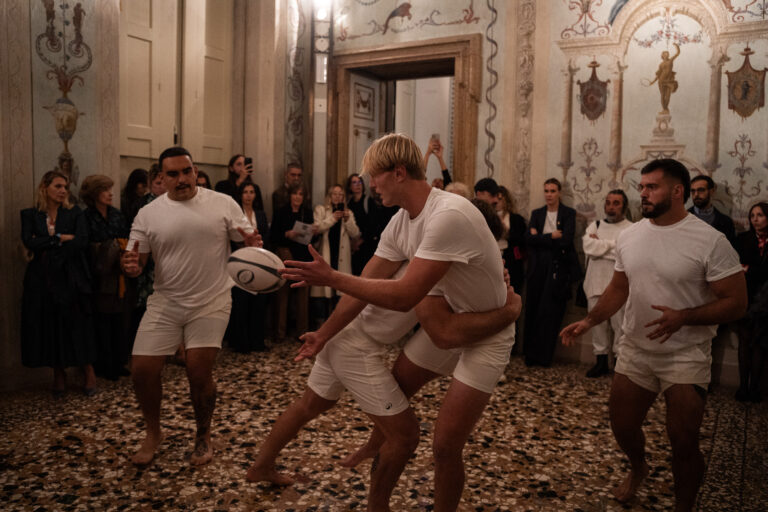
Performative programme: It sounds like another word, curated by Nicola Giuliani (Campo Base Project); Utopia Gym, curated by Marilisa Cosello.
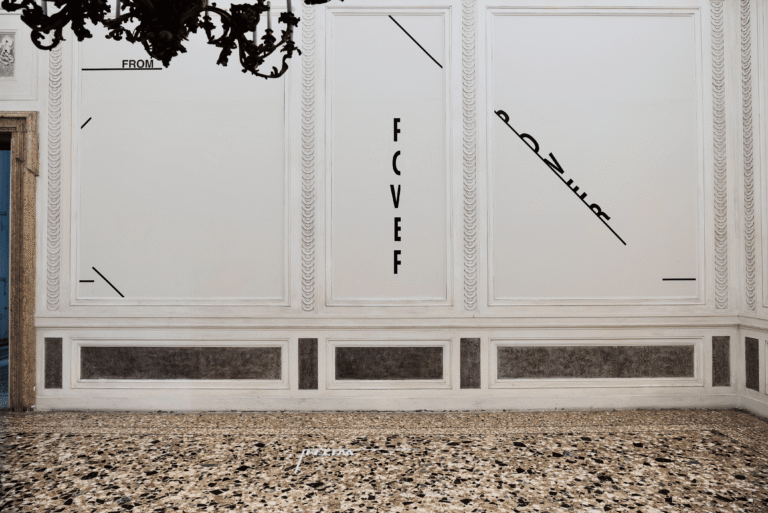
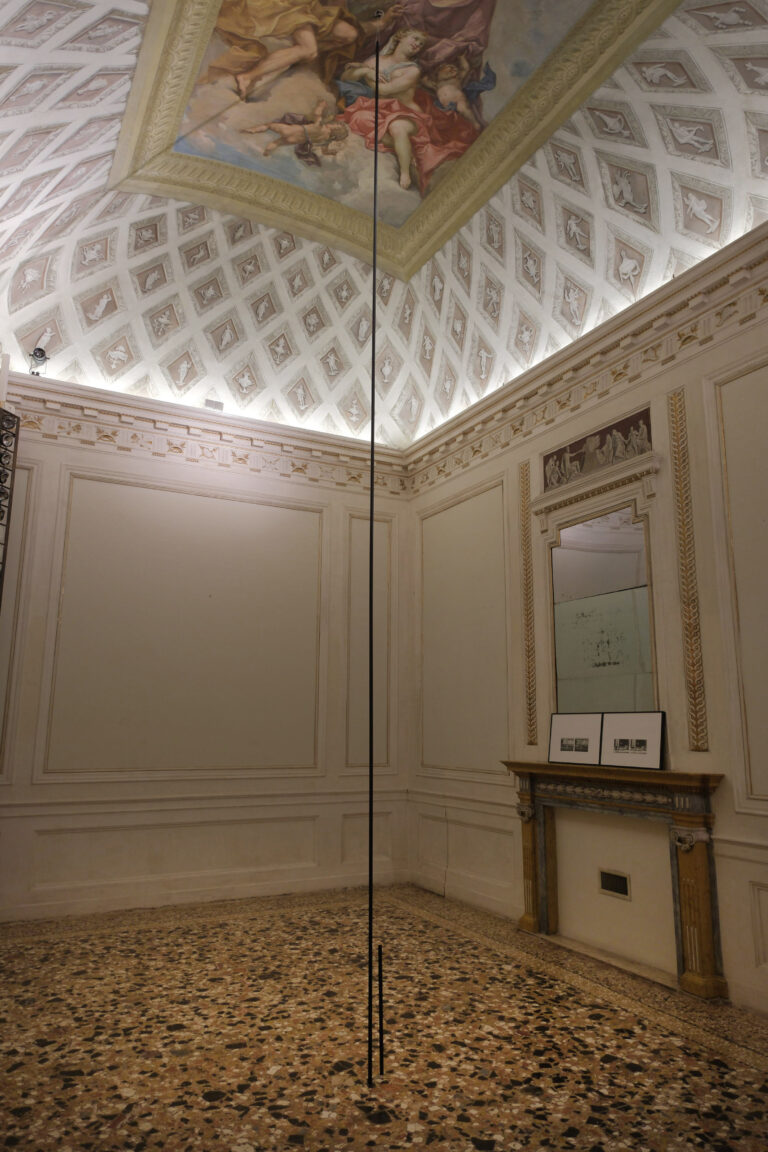
Space is given: someone has organized and designed it, and I have the opportunity to insert an element into it, to establish a dialogue with it and, ultimately, with the people who inhabit it. People see, or they do not see; they have the possibility to choose. My intervention always aims at the smallest possible intrusion.
Peter Downsbrough
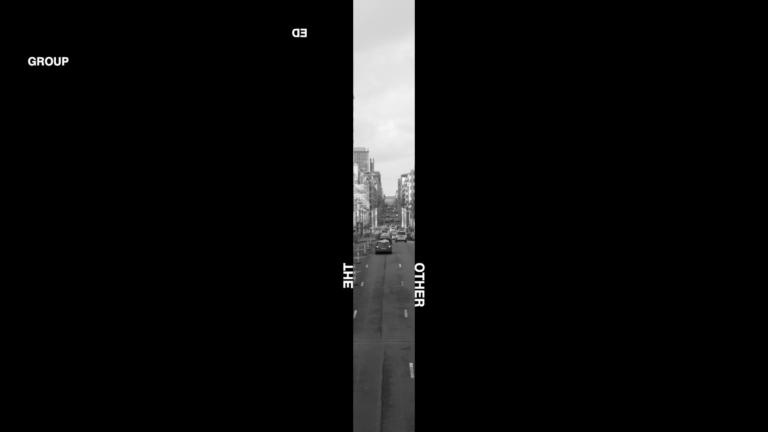
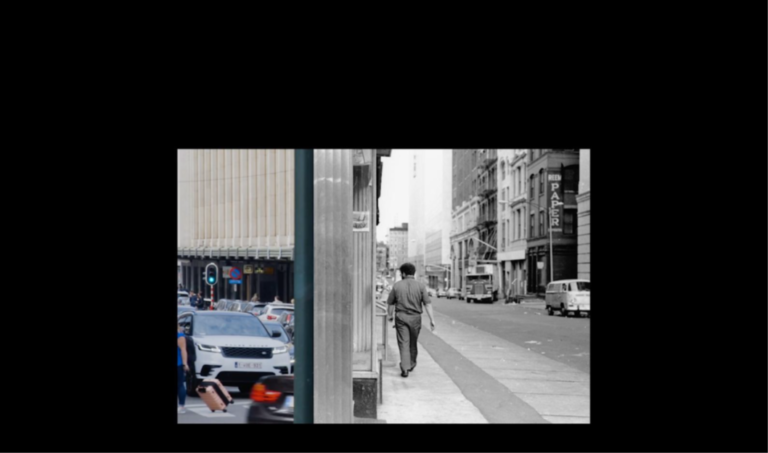
The Then About As Untilwhich we might loosely translate as something like ‘the about of then’ or ‘as long as’, is an assemblage of words taken from the film AND_04.2020 a video work by Peter Downsbrough, who died in 2024. Downsbrough uses a vocabulary of words, lines and signs to intervene in space. Prepositions, conjunctions and adverbs and, as, here, there, then, until lose their purely linguistic function and become tools for directing the gaze and becoming aware of one’s own position in relation to a place. His works open up a broader reflection on public space, on the role of the individual, and on the possibility of taking a critical stance within it.
At Palazzo Forti, Downsbrough’s work enters into a particularly meaningful dialogue with
Sol LeWitt’s
Wall Drawings in the palazzo, visual scores made of lines and intervals. Downsbrough and LeWitt both belong to the field of conceptual research that developed from the 1960s onwards. They share a rigorous visual language founded on the reduction of elements and on a profound relationship with space. Within The Then About As Untilthis affinity takes on even deeper significance in light of the personal closeness between the two artists.
More broadly, the project explores the relationship between verbal expression and image, drawing on the legacy of the verbal-visual practices that emerged in the 1960s and 1970s. These were a heterogeneous set of practices that inherited Futurist parole in libertà (words-in-freedom), Dada poetry, Lettrism and Surrealist collage, and transformed writing into visual, sonic and performative material.
The exhibition brings together seven artists: Herman Asselberghs, David Claerbout, Helga Davis, Manon de Boer, Anouk De Clercq, Peter Downsbrough and Nicoletta Grillo. Each explores the relationship with words, particularly through the language of video. This curatorial choice reflects film’s capacity to incorporate physical space and to prompt a response from visitors, who are invited to move and actively shape their own path.
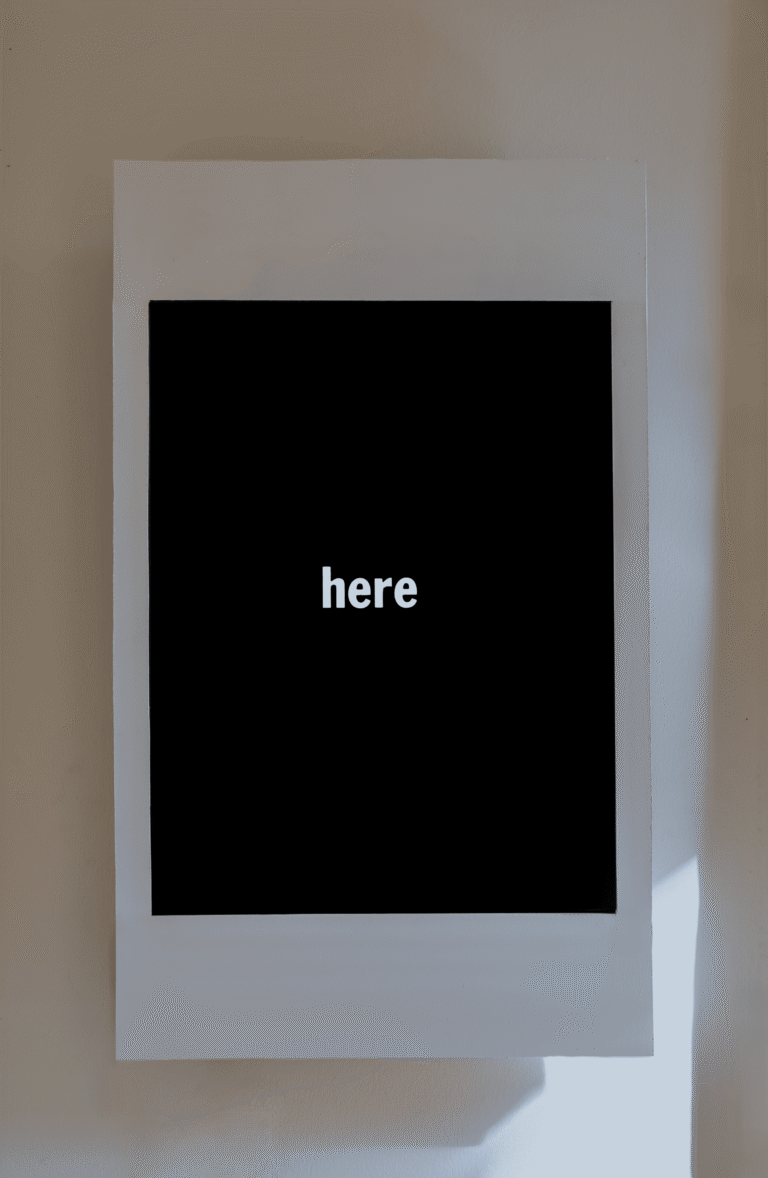
Herman Asselberghs’s Watching Words Becoming a Film is placed at the start of the exhibition. It is made up solely of words repeated on screen like a visual mantra, and it finds a direct counterpart in Peter Downsbrough’s video works, particularly in his use of text as a means of constructing space. Moving through the rooms, however, words gradually begin to withdraw. In Manon de Boer’s video Oumi. From nothing to something to something else the stillness and inaction of a teenage girl create a narrative suspension that resists the imperative of speech. Throughout the exhibition, silence and sound acquire a semantic density equal to that of spoken language. In Nicoletta Grillo’s film Oltremarewords taken from intimate conversations are superimposed on the video images. The work links the artist’s personal history with recent human migrations and with the geological movements of a landscape once covered by water. In Anouk De Clercq’s Birdsong video takes on yet another dimension, becoming a meditative space from which to observe and imagine a world without our presence.
The layout of the works in the rooms of Palazzo Forti thus suggests a circular journey, built on returns, correspondences and gradual subtractions. This movement leads to the final room, where language dissolves almost entirely.
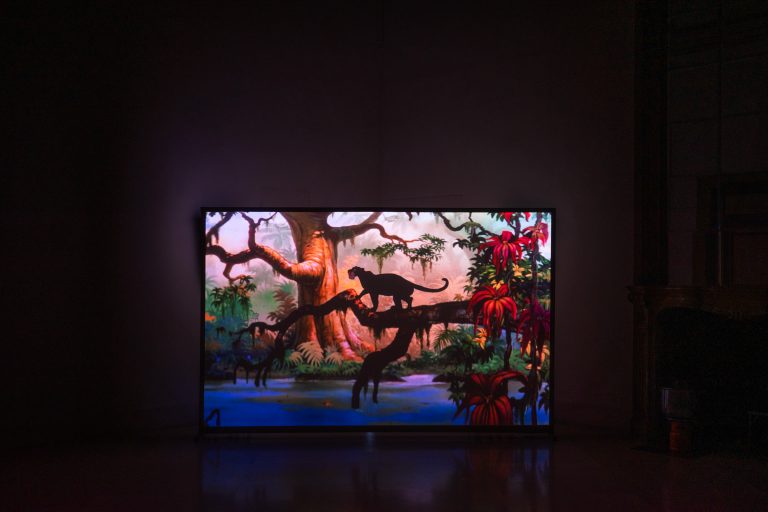
In The Pure Necessity, David Claerbout reappropriates the characters and settings of Disney’s The Jungle Book, freeing them from every form of language and every anthropomorphic reference. The animals, bears, panthers and pythons, do not talk, sing or dance. They simply go back to being what they are. The absence of language makes another form of presence perceptible, allowing movements and sounds to emerge that are no longer organised according to a solely human perspective.
In turning language into silence lies the possibility of starting again, of choosing new words to use. Giving this place back to the city involves everyone, and entrusts us with precisely this task: imagining together new ways of naming it.
Laura Lamonea
Artists


Works
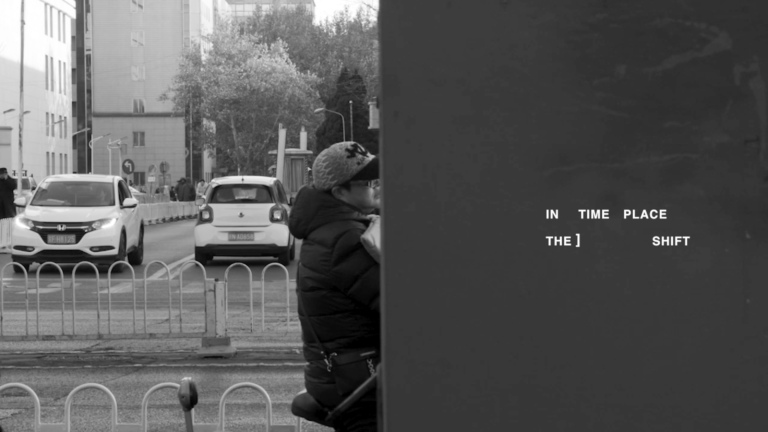
Peter Downsbrough
AND_04.2020
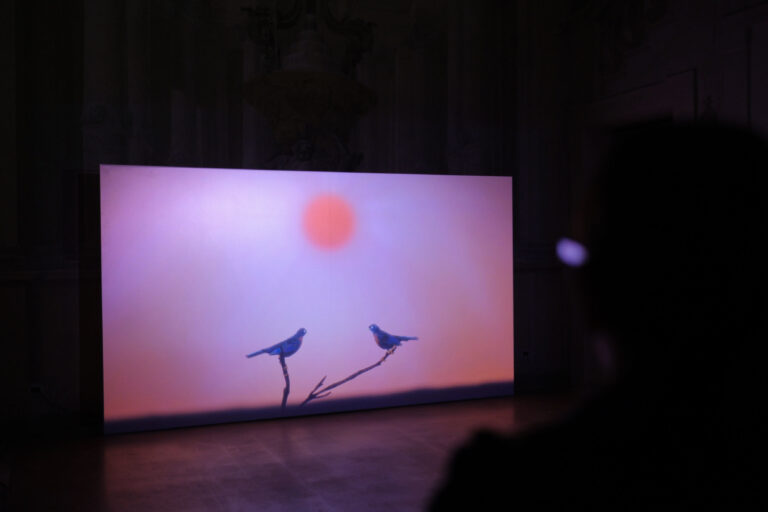
Anouk De Clercq
Birdsong
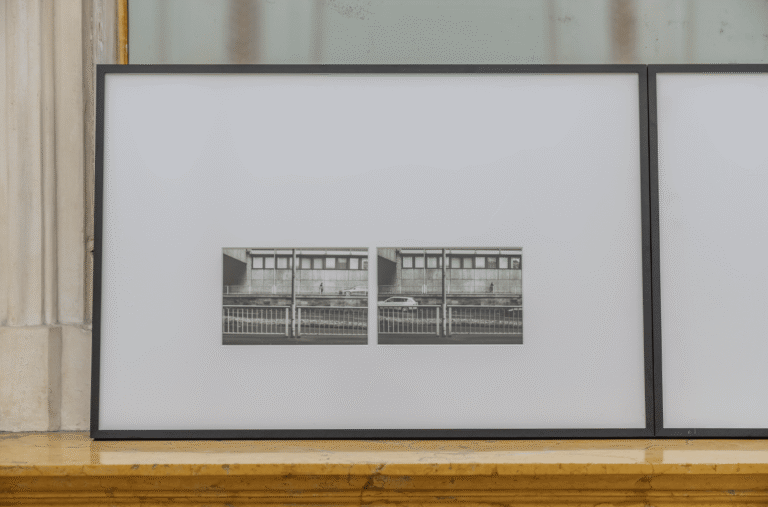
Peter Downsbrough
Koln
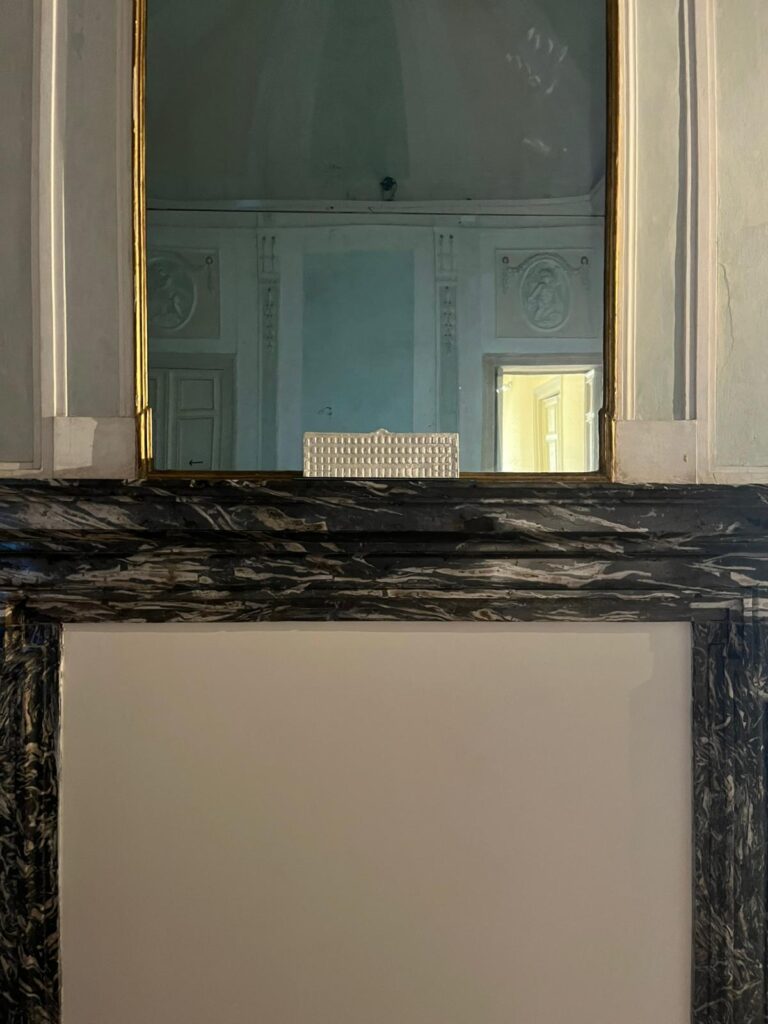
Nicoletta Grillo
Napoli Stazione Marittima / Buenos Aires Hotel de Inmigrantes
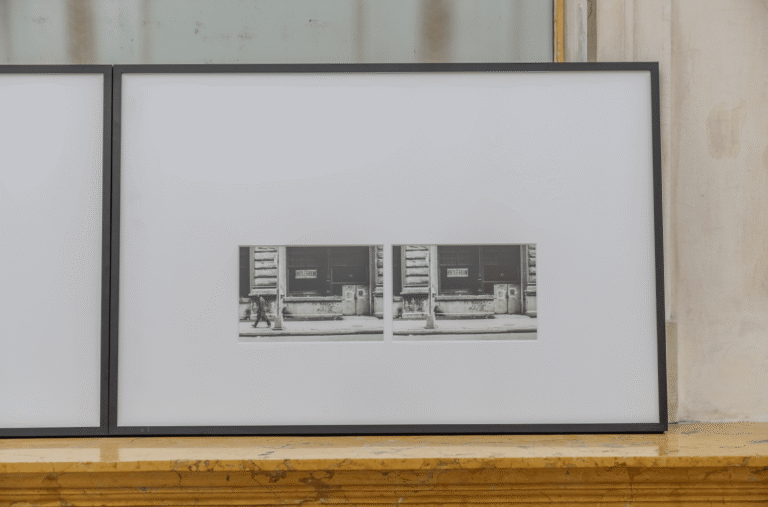
Peter Downsbrough
New York
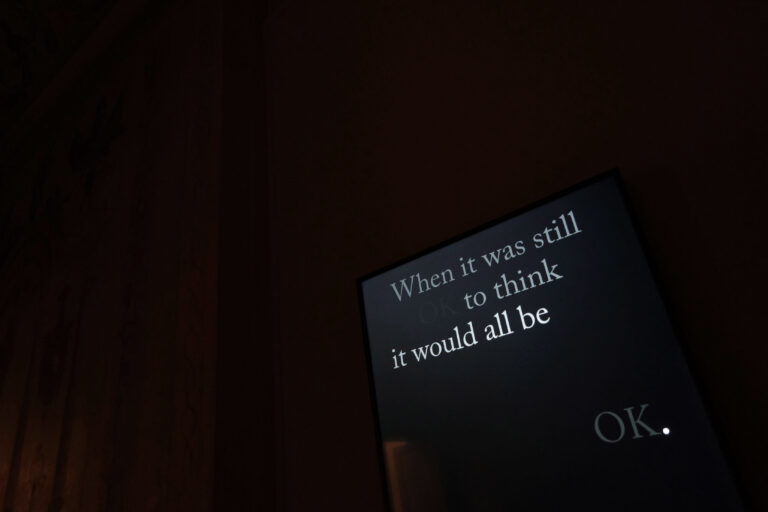
Anouk De Clercq
OK
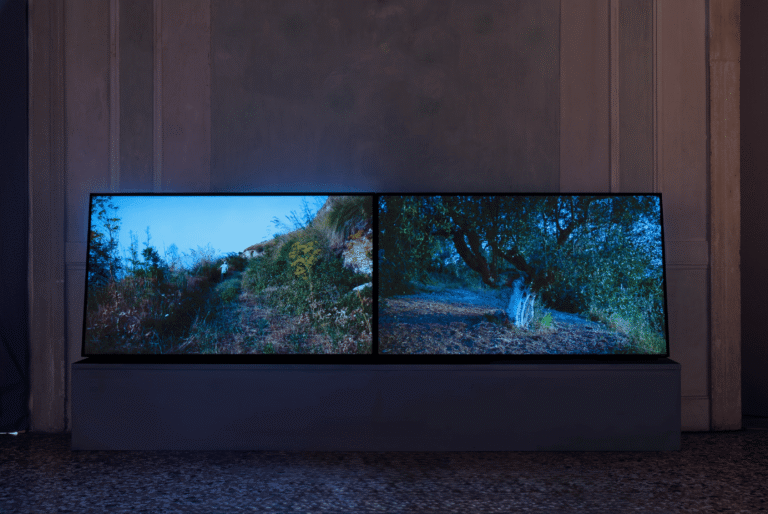
Nicoletta Grillo
Oltremare
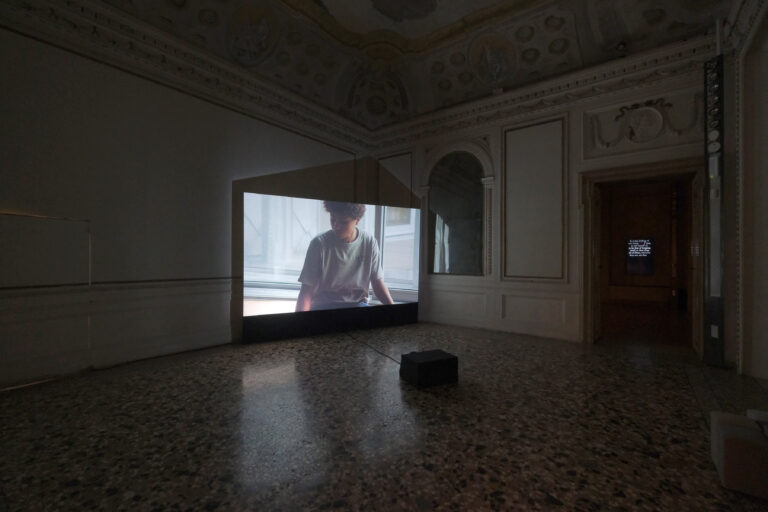
Manon de Boer
Oumi. From nothing to somethingto something else, part 3
![Peter Downsbrough, PASS – ING], 2002 — Video, b/w, sound](https://videosoundart.com/wp-content/uploads/2026/10/passing-768x552.png)
Peter Downsbrough
PASS – ING]
Peter Downsbrough
POWER/ FROM, TO, WITH
Peter Downsbrough
THE OTHER
David Claerbout
The Pure Necessity
Peter Downsbrough
THERE
Peter Downsbrough
Two Pipes, One Standing – 27,5 cm
Marilisa Cosello
Utopia Gym
Herman Asselberghs
Watching Words Becoming A Film


![Peter Downsbrough, PASS – ING], 2002 — Video, b/w, sound](https://videosoundart.com/wp-content/webp-express/webp-images/uploads/2026/10/passing-768x552.png.webp)


